
For many years, however, it was defined by one tragic night in February 1945, when the city was almost completely destroyed. Today, Dresden is a place of incredible contrasts: it is a city that has been rebuilt with extreme precision, yet it feels surprisingly young and vibrant.
To truly appreciate the capital of Saxony, you need to look beyond the beautiful facades. Here are 5 interesting facts that tell the real story of Dresden.
The Church That Was a Puzzle
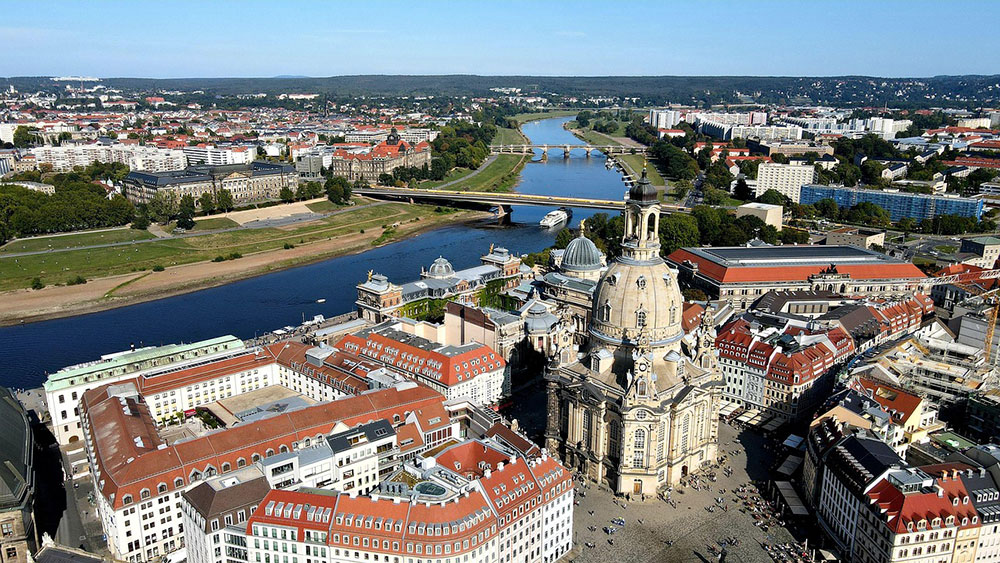
The Frauenkirche (Church of Our Lady) is the symbol of Dresden. When you look at it today, it seems like it has stood there for centuries. In reality, for 50 years, it was just a pile of rubble left as a war memorial.
Its reconstruction, completed only in 2005, is an engineering miracle. Architects used old photographs and computer simulations to place thousands of original stones back in their exact original locations. If you look closely at the facade, you will see a mosaic of light and dark stones. The dark ones are the originals that survived the fire; the light ones are new. It is literally a giant 3D puzzle.
The Miracle of Porcelain
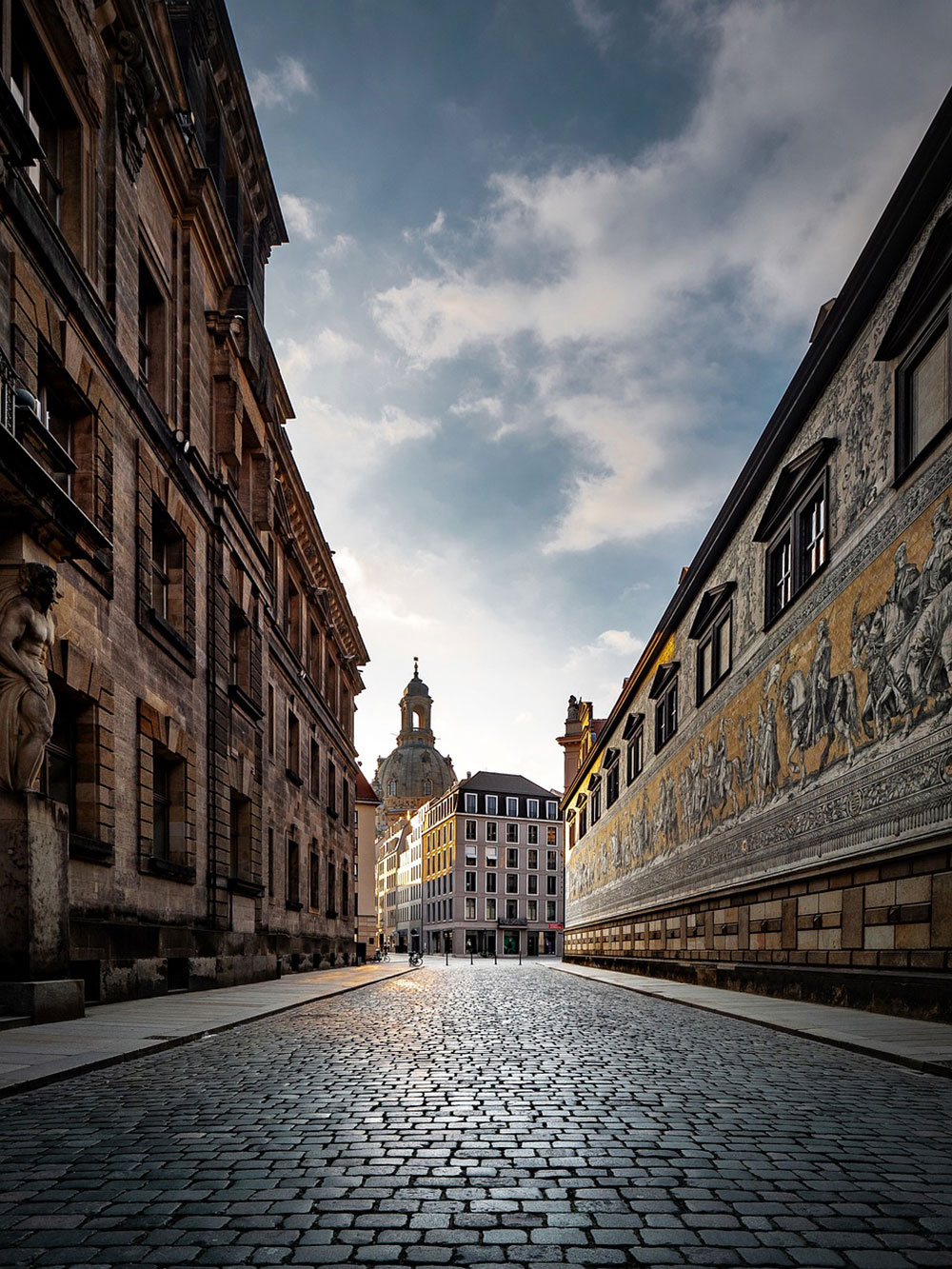
Dresden is famous for Meissen porcelain, but the most impressive example is right on the street. The Procession of Princes (Fürstenzug) is a 102-meter-long mural depicting the rulers of Saxony.
What makes it unique is that it is not painted—it is made of 23,000 porcelain tiles. Miraculously, this wall survived the 1945 bombing and the resulting firestorm almost untouched, while everything around it collapsed. It is the largest porcelain artwork in the world and a testament to the durability of Saxon craftsmanship.
The King Who Broke Horseshoes
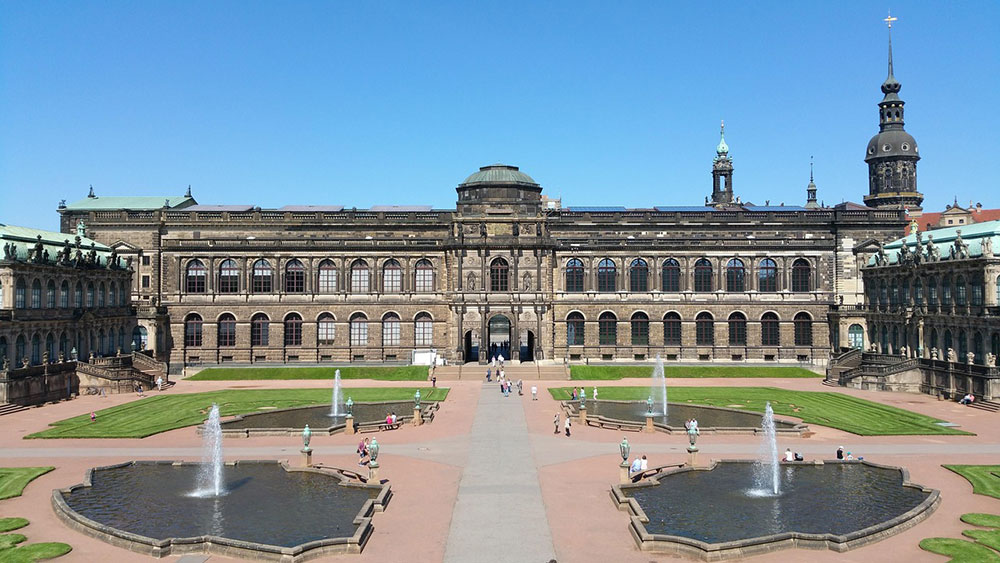
You cannot talk about Dresden without mentioning Augustus the Strong. He was the Elector of Saxony and King of Poland, and he is the reason Dresden looks the way it does. He built the Zwinger Palace inspired by Versailles.
Legend has it that he was incredibly strong—he could allegedly break horseshoes with his bare hands. You can see his statue, the "Golden Horseman," in the Neustadt district. His ambition turned Dresden into a European cultural powerhouse, filling it with treasures that we can still admire today.
Two Cities in One
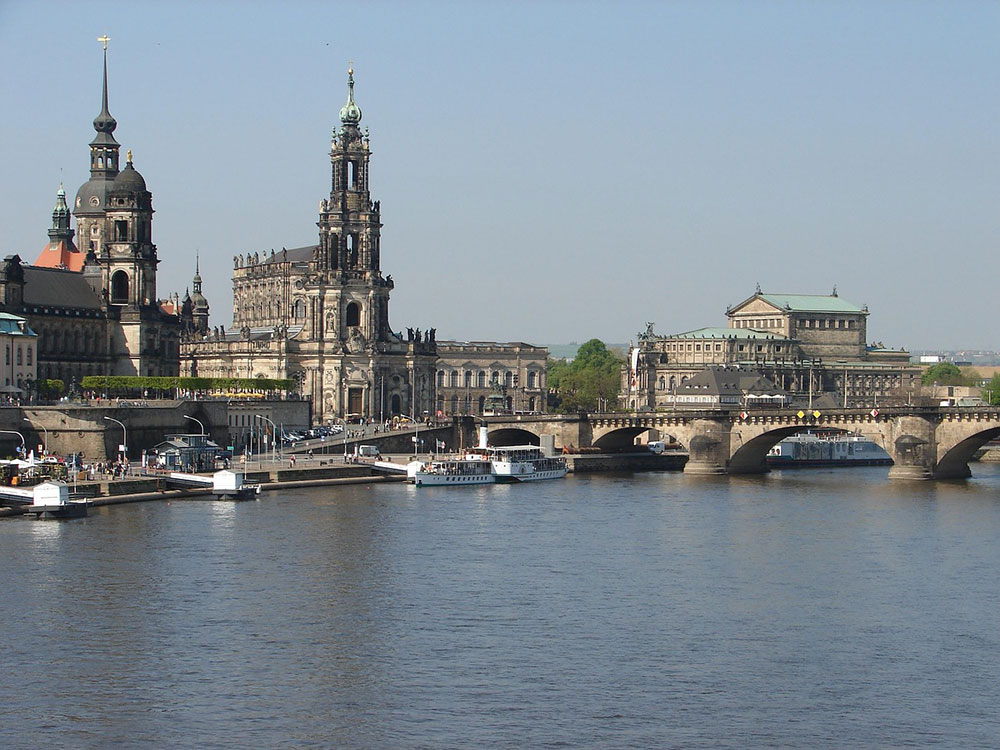
Dresden is divided by the Elbe River into two parts with confusing names. The historic center with the castle is called the Altstadt (Old Town), but most of it is actually new, rebuilt after the war.
On the other side of the river lies the Neustadt (New Town). Paradoxically, this is the older-looking part of the city today, as it suffered less damage. It is the bohemian heart of Dresden, full of street art, quirky courtyards (like the one that plays music when it rains), and a lively nightlife scene. Crossing the bridge takes you between two completely different worlds.
The Balcony of Europe
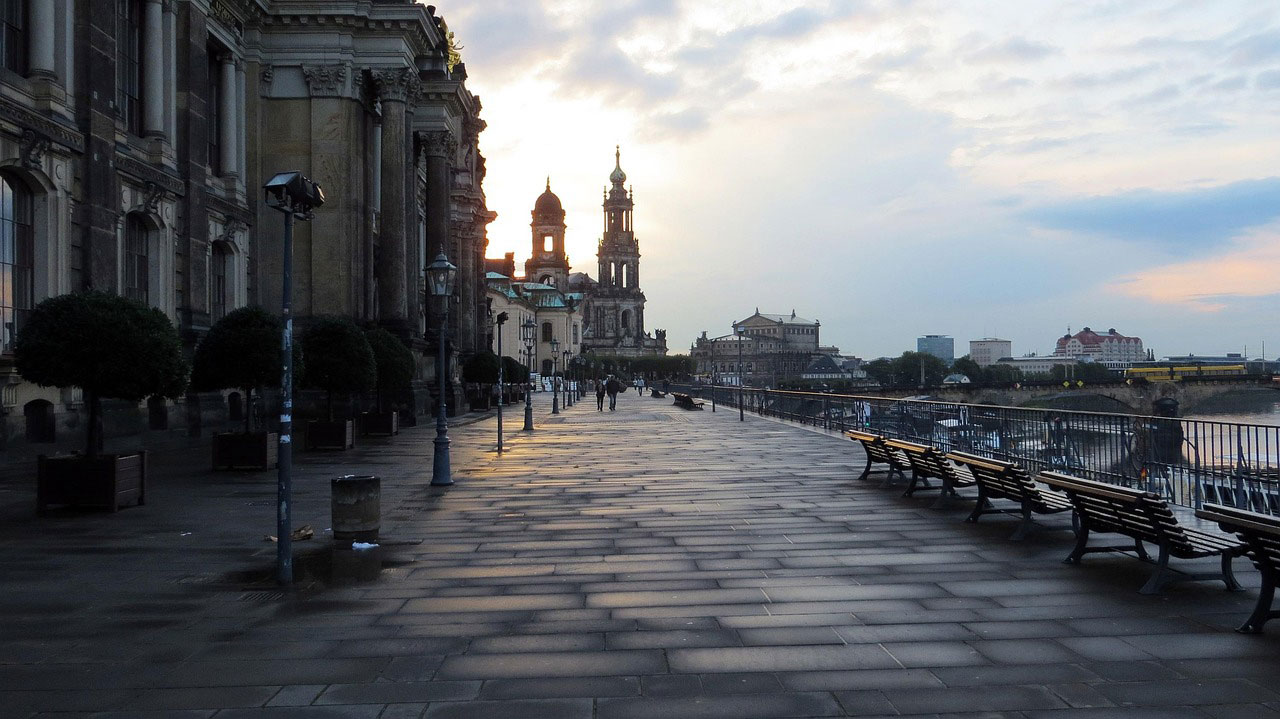
Walking along the river, you will find a raised promenade called Brühl's Terrace. In the 19th century, it was nicknamed the "Balcony of Europe" because of the stunning view it offered to the nobility who strolled there.
Originally, this was part of the city's fortifications. Today, it is the perfect place to understand the layout of the city and see how the river shapes its character. Underneath the terrace, there is still a hidden fortress, which stands in stark contrast to the elegance above.
How to see the real Dresden?
Dresden is a city of details. Without knowing the story behind the dark stones in the church or the porcelain tiles on the wall, you might miss the depth of this place. To get the full picture, it is best to explore with someone who knows the local history well.
For a comprehensive introduction to the city, the Historic Old Town Walking Tour is highly recommended.
Start your tour here: https://freewalkingtour.com/dresden/dresden-old-town-germany/
These tours work on a "Pay What You Wish" basis. It is a fair and transparent system: you join the group, enjoy the tour, and at the end, you decide how much the experience was worth to you. This guarantees that the guides are passionate and deliver a high-quality experience every time.
If you want to explore more, check out the full list of walks in Dresden: ? More free walking tours in Dresden
Dresden is a city that rose from the ashes. Let a local expert guide you through its fascinating journey.