
Yet, if we travel with high-quality outdoor equipment, the trip's value will be determined by how effectively you protect your equipment. Whether it's a backpack with a tent or a camera with a drone, you must take precautions to protect it from physical harm, accidental damage, or theft. A basic list of rules will make your journey much more enjoyable. Then, rather than worrying about damaged or lost equipment, you may concentrate on nature, culture, or even work, if that is your goal.
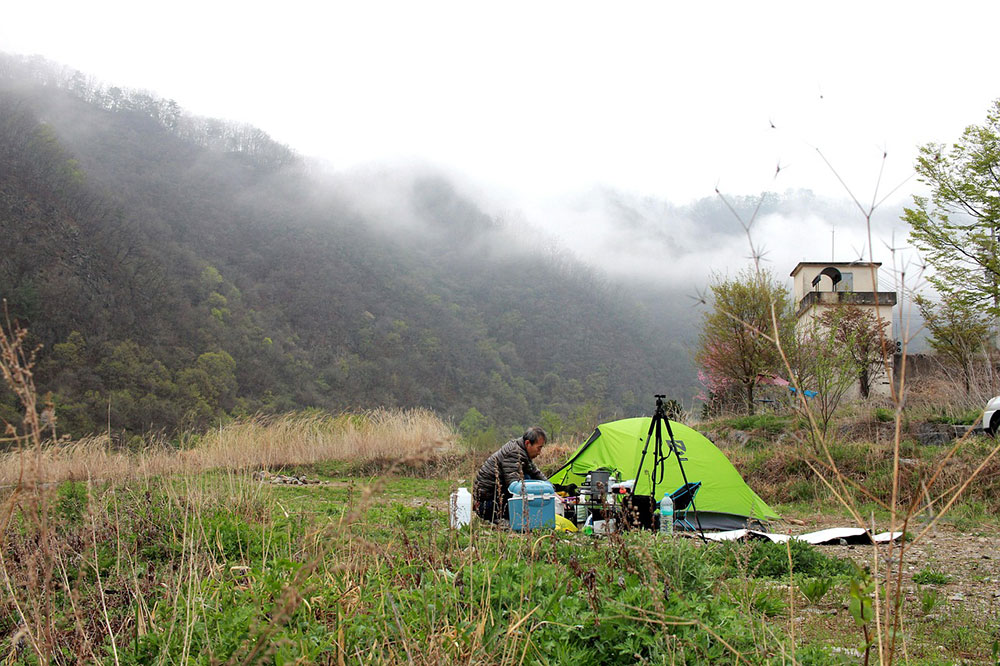
Proper Packing: Guarantee of Safety
Choose high-quality backpacks and cases that correspond to your equipment’s size and kind. Do you want to greatly reduce the risk of mechanical damage during transportation? Use hard cases for sensitive equipment with a durable outer layer and internal foam that absorbs shocks.
Water-resistant cases that protect against rain and dust are good for lighter equipment. Pay attention to those that do not add much to the weight of your suitcase.
Don’t neglect internal organization. Use soft dividers, separate compartments, or even special inserts. They will help:
- Avoid contact between different items of equipment;
- Prevent deformation or scratches.
Get into the habit of regular inspection
Before each trip, do a quick check of your equipment. Check the following:
- Are all fasteners working?
- Are there any signs of wear on the straps?
- Are there any small parts missing, such as lens caps or covers?
A little issue at first might quickly escalate into a major driving hazard.
Carefully evaluate your sports equipment, and you will also verify the condition of tents and sleeping bags. Especially if you have previously used them. This habit saves precious time and money while traveling.
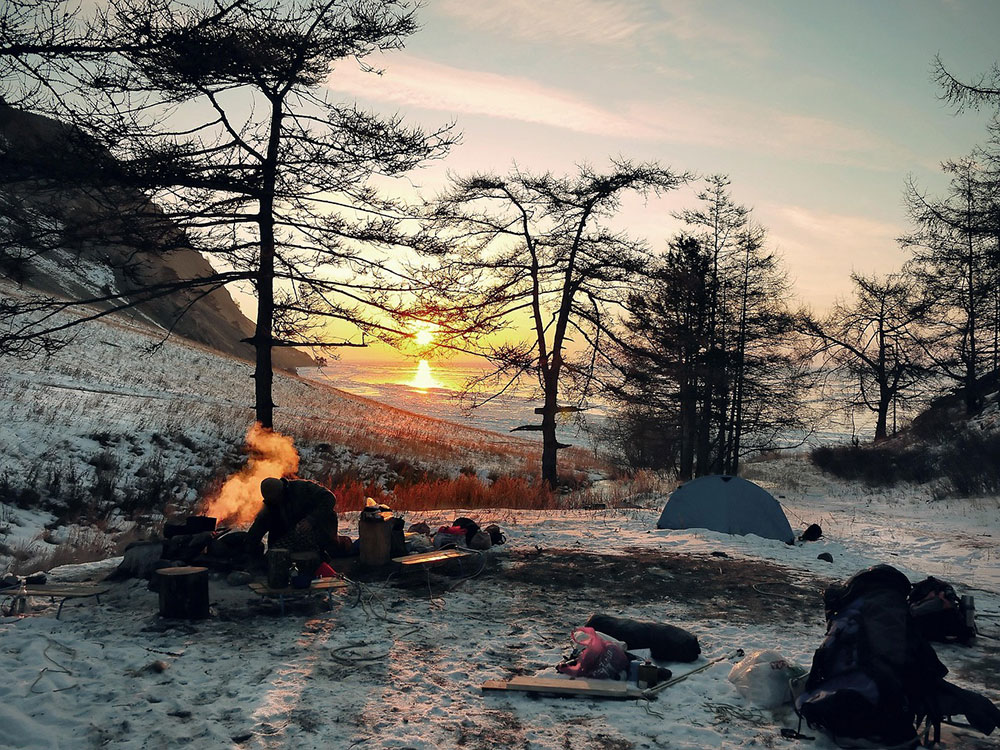
The Digital Aspect of Security
Today's outdoor trips are accompanied not only by physical equipment, but also by digital assets. These include saved maps, passwords to services, and photos in the Cloud. A compromised or lost device means access to sensitive personal information. That is why it is crucial to remember these Internet safety tips:
- Unique complex passwords for each service. A password manager to store them.
- 2FA enabled wherever possible.
- Connection to trusted Wi-Fi networks only. VPN use in public places.
- Regular updates of the operating system and apps to close known vulnerabilities.
- Restricted app access to personal data. Privacy settings check.
The issue of security on social networks is no less important. In particular, is Instagram safe to use? What about Instagram safety? Don't delay and familiarize yourself with important and necessary information on specialized resources. Moonlock takes a detailed look at types of Instagram scams. Thus, you will understand how to protect your accounts and personal data while traveling when you share content from remote locations. You will also learn how to configure privacy settings. Thus, to reduce the risk of unwanted access or fraud. Instagram has basic security features. Still, the platform's popularity attracts scammers with phishing schemes and fake profiles. These can also be fake messages that look like the real thing. However, they are designed to obtain your data or money. Therefore, avoid suspicious links and be informed.
Physical Protective Measures
Always carry a basic kit to prevent damage:
- Waterproof covers;
- Protective lens caps;
- Additional sealed bags for electronics.
All of the above greatly minimizes the effects of unexpected weather conditions or impacts.
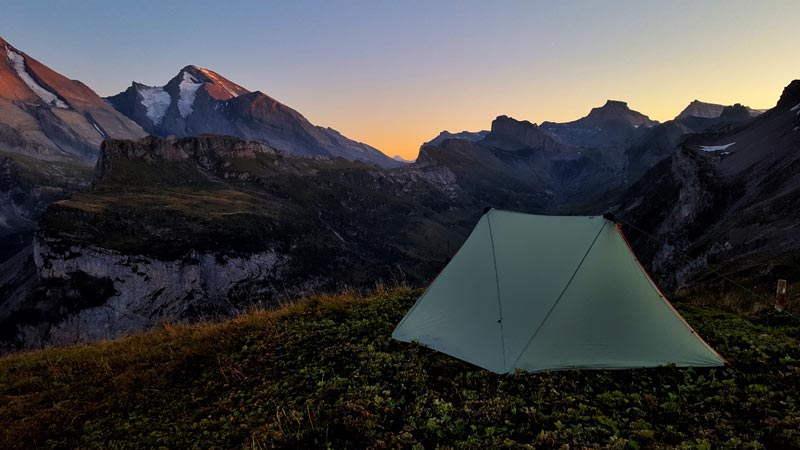
Protection while traveling
Maintain focus. Especially at a train station, airport, or crowded tourist area. Keep your equipment in your field of vision. Don’t leave your possessions unattended. Even for a short time. Carry your backpack over your chest in congested areas. Theft in a couple of seconds is a serious issue.
A bag with anti-theft features will make it much more difficult for strangers to get into its contents. These items are particularly useful in crowded squares or on bus/train excursions.
Thorough inspection after returning
When you return, don't put off the examination.
-
Clean,
-
Dry,
-
Inspect each item.
You will be able to detect micro-damage, cracks, or corrosion. So, you'll have more time to address minor concerns before your next trip. Such actions will also extend the life of your equipment.
Conclusion
Protecting your outdoor gear while traveling is a set of simple yet powerful habits. Specifically:
- Careful packing,
- Being alert in busy situations,
- Using physical and digital security.
Schedule routine maintenance before and after your vacations. Before you go, spend a few minutes checking your equipment. Remember about digital security. These habits will not only protect your equipment investment but will also provide you with piece of mind so that you can fully enjoy your trip.