
Accessing these remote locations traditionally required heavy vehicles and trailers to transport rigid watercraft. Modern engineering has dismantled these barriers, as the best inflatable kayak designs now utilize materials that rival the performance of composite boats. This evolution allows adventurers to carry a vessel on their back and hike deep into the wilderness before launching. Consequently, a new style of exploration known as hike-to-launch is gaining traction across the UK.
The Engineering Behind The Performance Shift
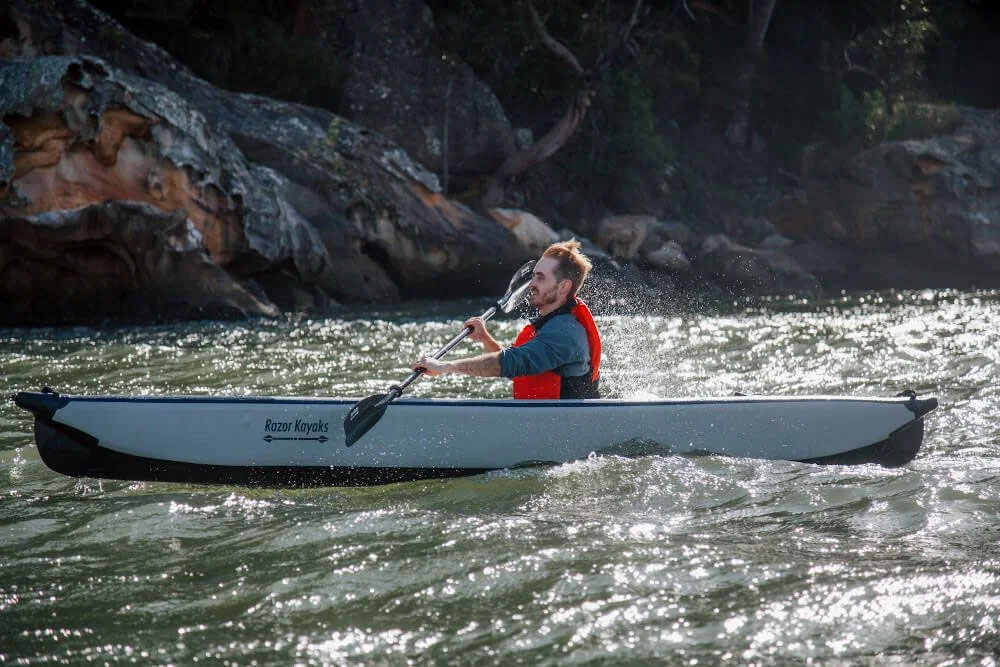
Historical perceptions of portable boats often centered on soft, unstable designs suitable only for swimming pools. However, the introduction of high-pressure drop-stitch technology fundamentally changed the capabilities of these vessels. This construction method connects the top and bottom layers of the hull with thousands of fine polyester threads. As a result, the boat becomes incredibly rigid and rock-hard when inflated to the correct pressure.
Performance metrics now show that premium air-filled kayaks can track as straight as hard-shell alternatives. They cut through the water with precision rather than wallowing or flexing under paddle power. Furthermore, modern PVC materials offer exceptional resistance to abrasion from rocks and shingle beaches. This durability ensures that the equipment can withstand the rugged nature of British riverbanks. Therefore, serious paddlers no longer need to sacrifice speed for the sake of portability.
Overcoming Logistical Barriers To Entry
The hike-to-launch movement prioritizes accessibility and freedom of movement over complex logistics. Explorers no longer need garage space or specialized roof bars to own a capable boat. A folded vessel fits easily into a standard car boot or on a train luggage rack. This compactness drastically reduces the cost and effort associated with planning a water-based trip.
Public transport becomes a viable option for reaching start points that were previously impossible to access with a kayak. For example, an adventurer can take a train to the Lake District and hike to a high mountain tarn. Additionally, this flexibility allows for linear journeys where the start and end points differ. One can paddle a stretch of coastline and return via bus or train without worrying about retrieving a vehicle. This autonomy transforms the map of the UK into an open playground.

The Psychological Impact Of Water-Based Perspectives
Viewing a landscape from the waterline offers a distinct psychological shift compared to hiking a trail. The familiar noise of urban life fades away when floating in the center of a secluded loch. Moreover, the physical effort of hiking to a launch point amplifies the reward of the eventual paddle. Nature presents itself differently when approached silently from the water rather than a footpath.
This dual approach combines the endorphin release of hill walking with the meditative calm of paddling. It engages the mind fully in the present moment, which helps to alleviate the stress of digital overload. Many practitioners report a heightened sense of connection to the environment. Consequently, these micro-adventures serve as a powerful tool for mental restoration.
Practical Strategies For Planning A Hike-To-Launch
Selecting The Right Minimalist Gear
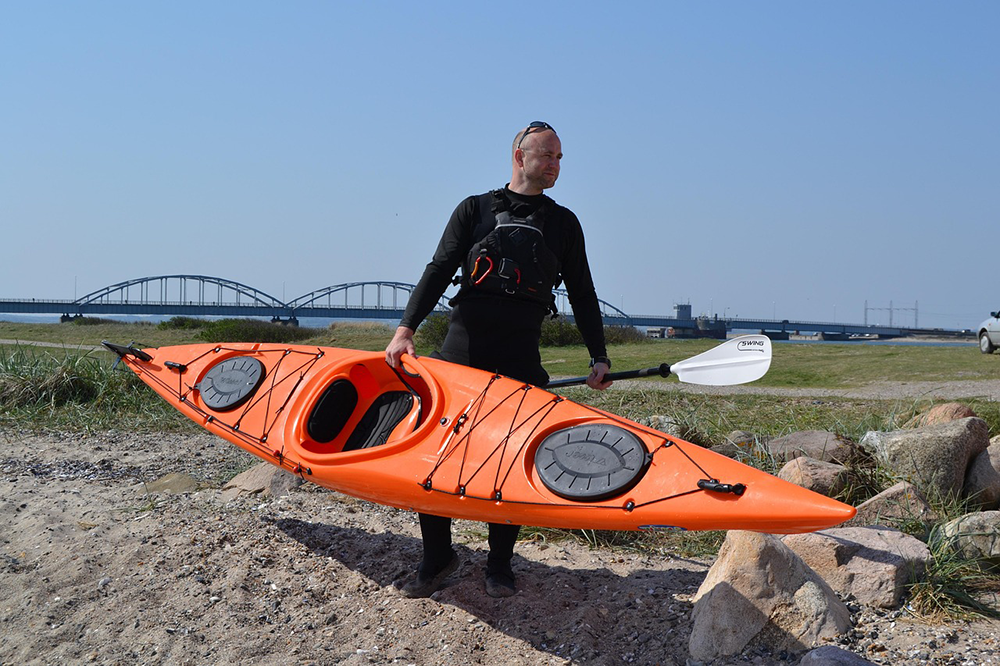
Successful micro-adventures depend on careful weight management and smart equipment selection. A high-quality paddle that breaks down into four pieces is essential for fitting inside a backpack. Additionally, adventurers must carry a lightweight buoyancy aid that does not restrict movement or add unnecessary bulk. Waterproof dry bags are also critical for keeping spare clothes and electronics safe during the paddle.
Every item in the pack must serve a specific purpose to keep the load manageable during the hike. Experienced trekkers often strip their kit down to the absolute essentials. For instance, they might opt for a compact manual pump rather than a heavier electric alternative. This minimalist approach ensures that the journey to the water remains enjoyable rather than exhausting.
Navigating Safety And Regional Access
Route planning requires more than just a map and a compass when water is involved. One must verify access rights, as some British waterways require specific licenses for paddling. Moreover, checking weather patterns is crucial for open water safety, particularly regarding wind speed and direction. Sudden changes in weather can transform a calm lake into a dangerous environment very quickly.
Responsible travellers also adhere to strict sustainability principles to protect these fragile ecosystems. Cleaning equipment after use prevents the spread of invasive species between different bodies of water. Furthermore, leaving no trace ensures that these hidden spots remain pristine for future visitors. A respect for local wildlife and habitats remains the cornerstone of the hike-to-launch ethos. Ultimately, preparation and respect pave the way for safe and memorable explorations.