
In practice, anyone who has organised a serious trip knows the opposite is true. Permits, hut bookings, insurance certificates, flight changes, the liaison officer who needs your passport scan by Thursday, the freight company holding your kit in a customs shed somewhere. Long before the walking starts, an expedition is a filing exercise.
All of it moves by email, and it keeps moving while you are away. For something so central to how trips get organised, remarkably little thought goes into whether the account handling it is up to the job.
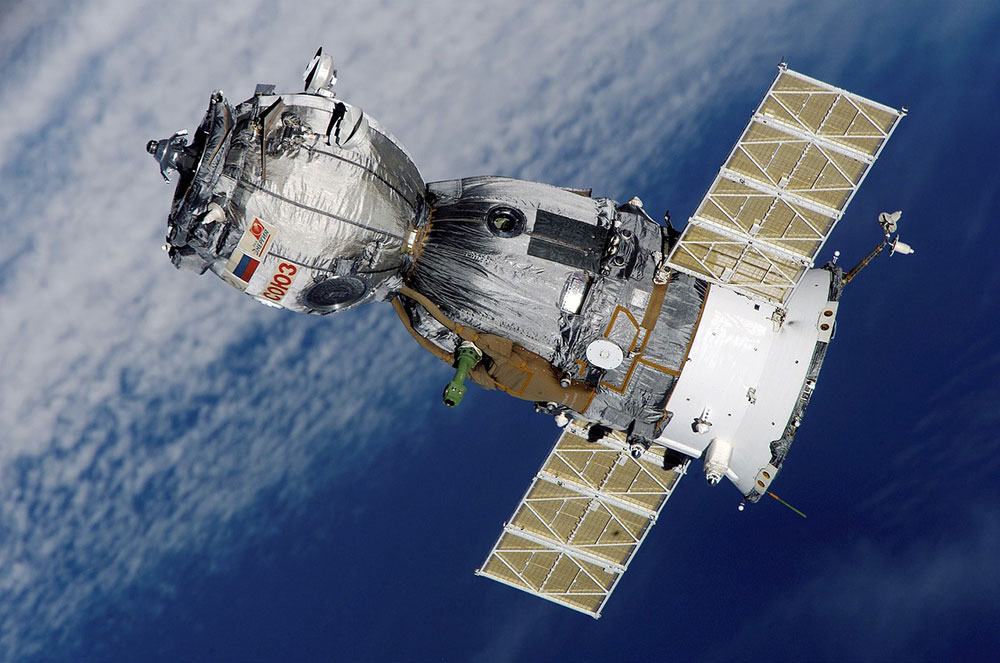
Accessing email from places with no signal
Satellite messengers and inReach devices have changed what is possible, but bandwidth remains precious and expensive. Anything you might conceivably need should be downloaded before you leave the last reliable connection. Permits, insurance documents, emergency contacts and confirmations belong on the device rather than on a server. Trying to retrieve an attachment over a satellite link at three thousand metres is an education nobody needs twice.
Someone at home needs the same information
Every sensible trip plan involves a person at home who knows the route and the timings. That only works if they hold the documents rather than knowing they exist. Forwarding the key correspondence before departure costs nothing and means the person fielding calls on your behalf can answer questions rather than guess. Mountain Rescue England and Wales publishes practical guidance on planning and staying safe that is worth reading alongside anything you leave with them.
Protecting what you are sending

Expedition admin involves circulating documents most people guard carefully. Passport scans, insurance policies, medical declarations and permit paperwork travel between organisers, agents and officials across several countries and a good many unsecured networks. An email provider using end-to-end encryption keeps those attachments unreadable to anyone other than the intended recipient, which is a sensible precaution when the same thread contains your date of birth and a photograph of your passport.
Keeping it findable
Trips generate months of correspondence with a dozen parties, and the message you urgently need is invariably from four months ago. A dedicated folder or a separate address for each expedition keeps it retrievable. The same instinct that leads people to pack methodically applies here, and readers who obsess over how a pack is organised, as in our test of the Berghaus Mtn Guide 45, will recognise the principle immediately.
Boring preparation, real value
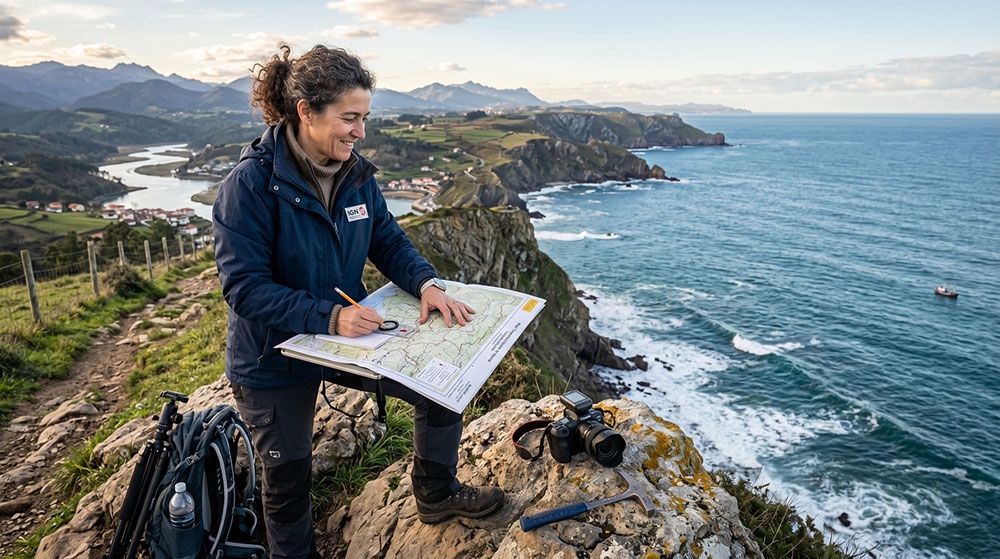
Nobody trains for the paperwork, and no trip report dwells on it. It sits with the spare batteries and the laminated route card among the things that go unnoticed until the moment they are needed. An evening spent getting it in order before departure is time you will never regret, particularly when something changes at short notice and everything depends on reaching the right document quickly.
One further habit worth adopting: check that whoever holds your details at home can actually open the files you sent. A document saved in a format nobody else can read is no more use than one that never arrived at all.