
They spend a large share of their nights on beds they did not choose, in conditions they cannot control, and they pay for it in accumulated tiredness. That makes the one bed they do control, the one at home, disproportionately important. For someone often on the road, the home bedding setup is not a domestic detail but a recovery system, and it deserves to be the best bed they sleep in all month.
Home Is the Recovery Base
The logic is straightforward. Travel reliably degrades sleep, through unfamiliar beds, disrupted schedules, and poor conditions, so the nights at home have to do double duty, both providing rest and repaying the debt the trips ran up. A frequent traveller who also sleeps poorly at home never gets the chance to recover, and the deficit compounds. The home setup is where the body claws back what travel takes, which is exactly why it should be optimised. Viewed that way, money spent on the home bed is not a household expense competing with the travel budget but part of the same system: the trips are only sustainable if the recovery between them is genuinely good. The bed is what keeps the whole pattern of travel from grinding the body down.
Start With the Surface
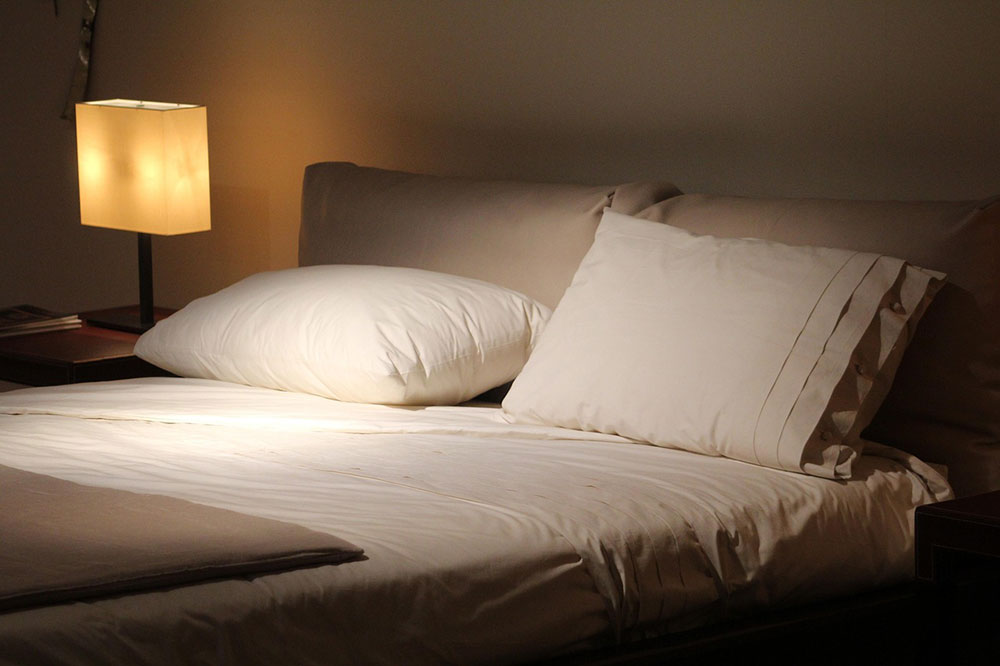
The surface comes first, because it does the most and lasts the longest. A supportive, comfortable mattress is the heart of any recovery setup, and for the frequent traveller it is the single most valuable thing to get right. If the existing mattress is tired rather than broken, a full replacement may not be necessary; toppers that refresh an existing bed is the quickest way to restore comfort and support to the surface, turning a bed that has gone flat back into one worth coming home to.
Manage the Temperature
Temperature management is the next priority, since travellers so often suffer from overheated hotel rooms. The home setup should err cool: breathable bedding in natural fibres that wick moisture and release heat, and a bedroom kept at a sleep-friendly temperature. This gives the body the cool, dry conditions it sleeps deepest in, and it is a deliberate contrast to the warm, stuffy rooms that disrupt sleep on the road.
Bedding for Sleep, Not Show
Bedding should be chosen for how it sleeps, not how it photographs. Natural, breathable fabrics that feel good and manage heat beat the slick, heat-trapping synthetics found in many hotels, and layering them allows easy adjustment across seasons and changing conditions. The aim is a bed that actively supports deep sleep rather than merely looking the part, which is a luxury the home has over almost any hotel.
The Right Pillow
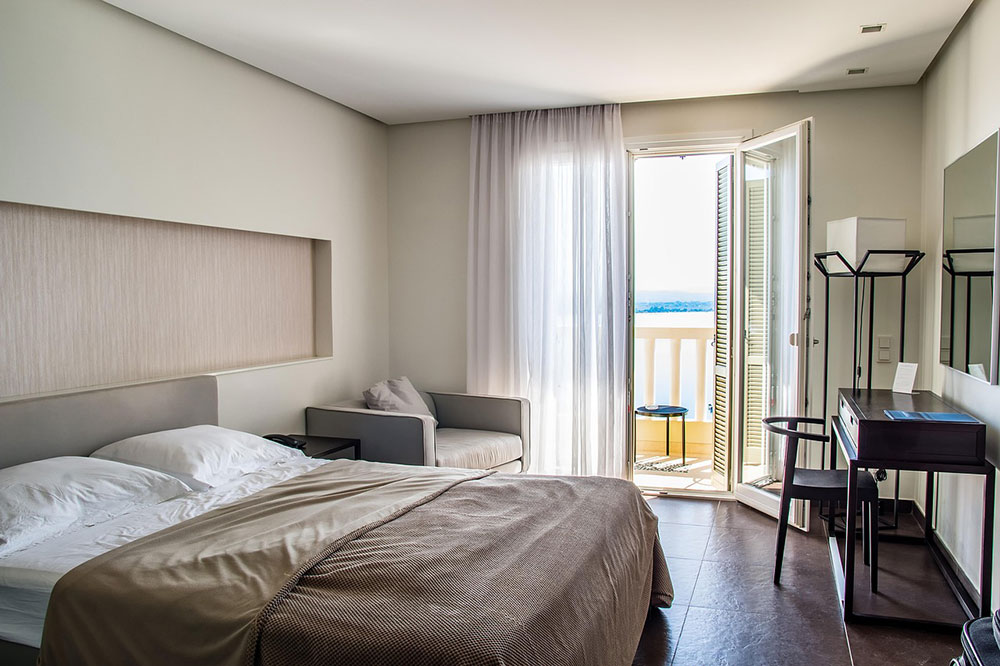
Pillows matter more for travellers, who spend so many nights on the wrong ones. At home, the answer is to keep the pillow that genuinely suits one’s sleeping position and holds the neck neutral, rather than tolerating whatever a hotel last provided. Getting this right at home means at least the home nights are spent on proper neck support, which helps undo the stiffness that mismatched travel pillows leave behind.
Darkness and Quiet
The bed should also be a sanctuary of darkness and quiet, the things hotels so often fail to deliver. Good blackout, a quiet room, and a setup that signals rest let the body sleep deeply on the nights it most needs to, without the light leaks and unpredictable noises that keep the travelling brain on guard. The home bedroom is the place to get these foundations exactly right, since they can simply be arranged and left in place.
Consistency Re-Anchors the Clock
Consistency is the frequent traveller’s secret weapon, and the home setup should support it. A reliable bed, in a reliable room, with a reliable routine, gives the disrupted body a stable base to return to and re-anchor on between trips. The internal clock, knocked about by travel, re-entrains fastest against a consistent home environment, so a settled, unchanging home sleep setup is itself part of the recovery. Returning to the identical setup after every trip gives the body a fixed reference point, so the disorientation of travel resolves into the familiar within a night or two rather than dragging on. Keeping a slightly different weight of bedding for warmer and cooler months keeps the bed in its comfortable range whatever the season throws at it.
Size Up, and Prioritise the Home Bed
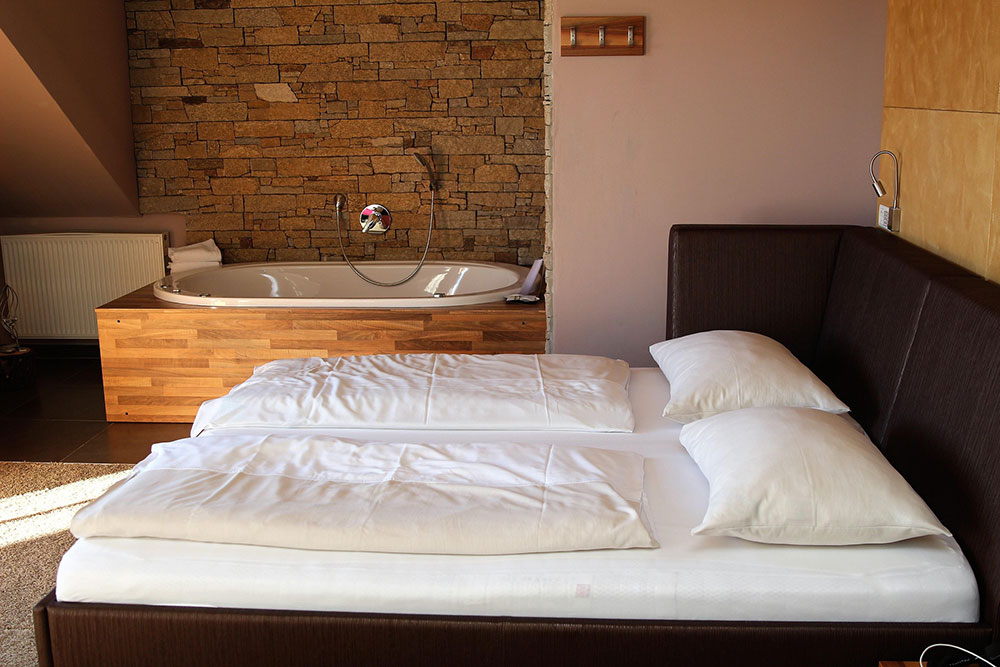
There is a case, too, for sizing the bed generously if the room allows, especially for those who share. Travellers learn from hotel beds how much difference space makes, and a larger bed at home means deeper, less disturbed recovery sleep on the nights between trips. Space is one of the clearest upgrades a frequent traveller can make to the bed they actually own.
The underlying principle is that the frequent traveller should treat the home bed as the most important one in their life, not the one they think about least. The hotel beds come and go, beyond their control; the home bed is the constant, the recovery base, the place the body repairs itself. Money and attention spent there return far more than the same spent on travel gadgets, because it improves the nights that actually restore.
The best bedding setup for someone who travels often, then, is built around recovery: a supportive, comfortable surface, breathable bedding, the right pillow, a dark and cool and quiet room, and the consistency that lets a disrupted body re-anchor. Get the home bed right and the toll of travel becomes something the body can repay each time it lands. For the frequent traveller, the bed at home is not the least important; it is the one that makes all the others survivable.