
Whether you are exploring cities, national parks, or coastal destinations, the jacket you choose plays a major role in how comfortable and flexible your trip feels. The best travel jackets are not necessarily the warmest or most technical. They are the ones that adapt. They layer well, pack easily, and handle a range of conditions without forcing you to overpack.
Here is how to choose jackets that work for outdoor travel when the weather refuses to cooperate.
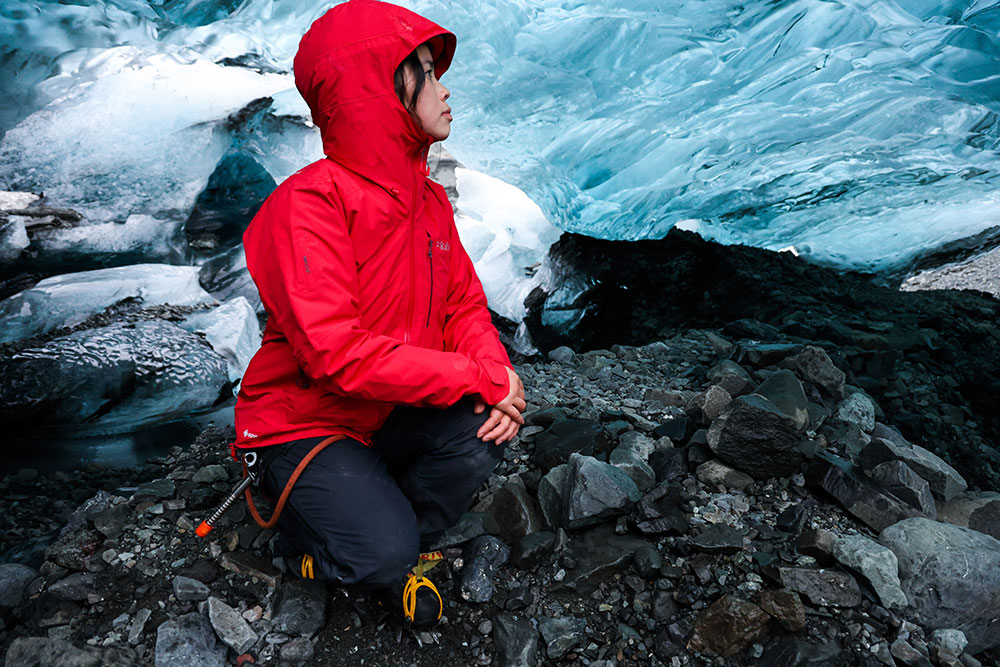
Why Versatility Matters More Than Warmth
Many travelers make the mistake of packing one heavy jacket and hoping it covers everything. In changing weather, that approach often backfires.
A jacket that is too warm becomes uncomfortable when temperatures rise. A jacket that lacks weather protection feels useless in wind or rain. Versatile jackets solve this by working with layers and adjusting to conditions throughout the day.
Think adaptability first, not insulation level.
Lightweight Waterproof Jackets
A lightweight waterproof jacket is one of the most useful pieces you can pack. It protects against rain and wind without adding much bulk.
These jackets work well over base layers in mild weather and over sweaters or fleeces when temperatures drop. They are ideal for sightseeing, walking trails, and travel days where conditions change quickly.
Many travelers choose packable waterproof shells because they fit easily into a day bag when not in use. This makes them especially valuable for destinations with unpredictable forecasts.
Insulated Jackets for Cool Conditions

Insulated jackets provide warmth without the weight of traditional winter coats. They work best in cool to cold conditions where rain or snow is not constant.
Synthetic or down-insulated jackets are popular for outdoor travel because they offer good warmth-to-weight ratios. They are easy to layer under a waterproof shell if weather worsens. A Patagonia winter jacket is often chosen in this category because of its reliable insulation and weather-resistant design, making it a practical option for travelers who expect cooler mornings and evenings without extreme cold.
Softshell Jackets for Active Days
Softshell jackets are ideal for travelers who expect movement. They offer stretch, breathability, and moderate wind protection.
These jackets work well for hiking, cycling, or long walking days when full waterproof protection is not always necessary. They are comfortable to wear for extended periods and adapt well to temperature changes.
Softshells are a good middle ground between lightweight shells and insulated jackets.
Fleece and Mid Layers That Do the Work
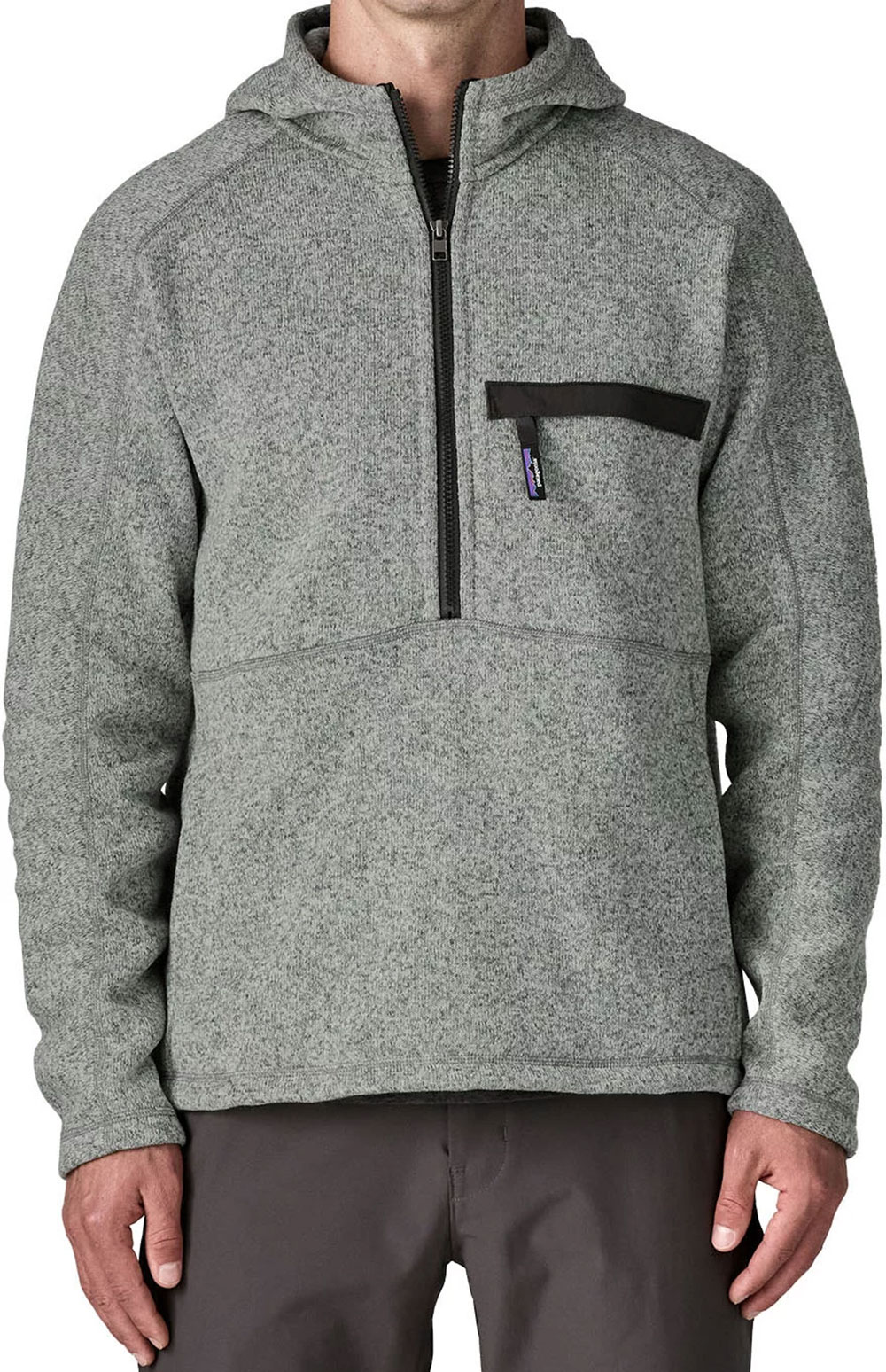
Sometimes the best jacket strategy involves what goes underneath rather than what goes on top.
Fleece jackets and insulated mid layers provide warmth while remaining breathable. They work well on their own in dry, cool weather and layer easily under shells when conditions worsen.
Because they are lightweight and compressible, mid layers are easy to pack and often see more use than heavier outerwear.
Packable Jackets for Travel Efficiency
Packability matters when space is limited. Jackets that fold into their own pockets or compress easily are ideal for travel.
Packable jackets encourage you to bring weather protection without committing space permanently. This flexibility is especially helpful for trips that include both urban and outdoor environments.
A jacket that stays in your bag until needed is far more useful than one you leave behind because it feels too bulky.
Windproof Jackets for Coastal and Open Areas
Wind can make moderate temperatures feel much colder. Windproof jackets help regulate body temperature and reduce heat loss.
These jackets are especially useful in coastal areas, open landscapes, or higher elevations. Even without heavy insulation, wind protection dramatically improves comfort.
Windproof layers also pair well with other jackets, making them versatile additions to a travel wardrobe.
Style Still Matters on the Road

Outdoor travel jackets no longer have to look purely technical. Many modern designs balance performance with clean, simple aesthetics.
Neutral colors, streamlined shapes, and subtle detailing allow jackets to transition easily from trails to cafés or city streets. Choosing a jacket you feel comfortable wearing in different settings reduces the need to pack multiple outer layers.
Looking put together helps you feel confident while traveling, even in unpredictable conditions.
How Many Jackets Do You Really Need
For most trips involving changing weather, two jackets are enough. One lightweight waterproof shell and one insulated or fleece layer cover most scenarios.
This combination allows you to adjust warmth and protection without overpacking. Wearing layers together or separately gives you flexibility throughout the day.
Avoid packing multiple heavy jackets that serve similar purposes.
Fit and Comfort Are Non-Negotiable
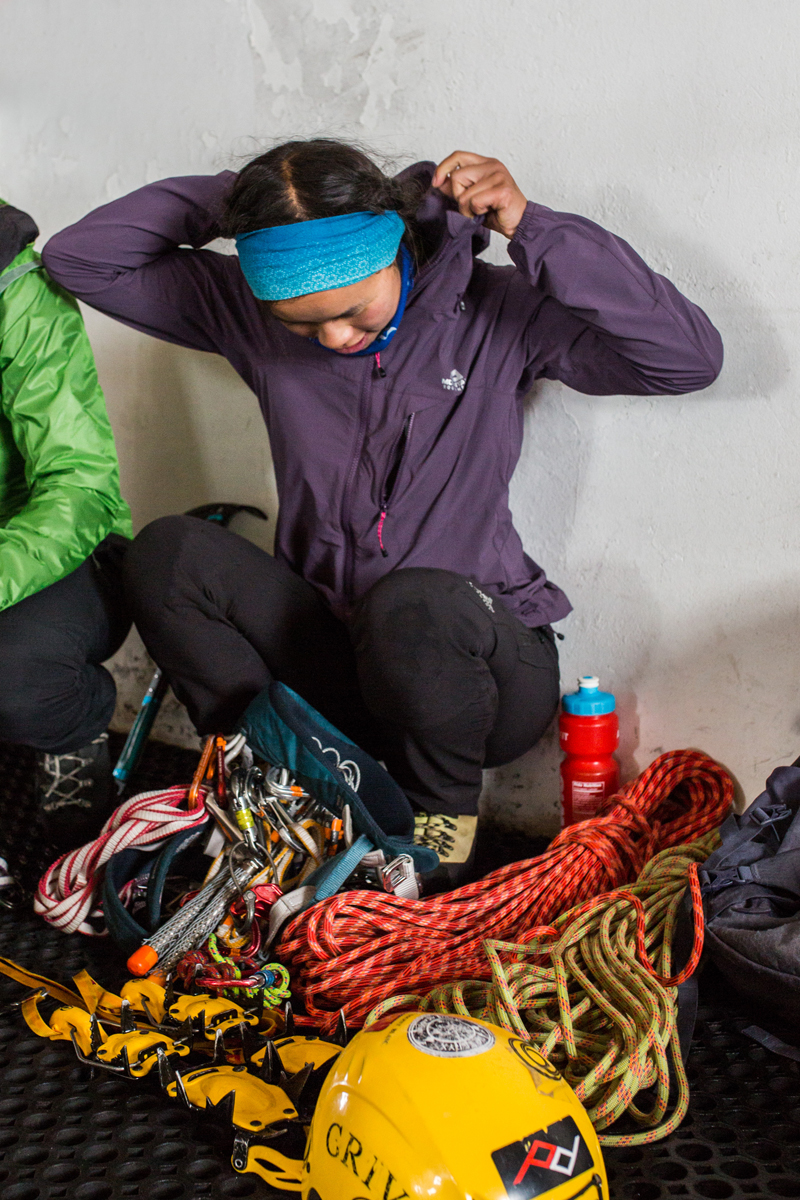
No matter how versatile a jacket is, it will not work if it does not fit properly. Jackets should allow movement, layer comfortably, and feel good when worn for long periods.
Try jackets on with layers underneath and move around. Comfort directly affects how often you reach for a piece while traveling.
Final Thoughts
The best jackets for outdoor travel in changing weather are the ones that adapt as easily as your plans do. Lightweight waterproof shells, insulated layers, softshells, and packable designs all play a role depending on conditions.
Choosing versatile jackets and layering thoughtfully allows you to stay comfortable without overpacking. A well-chosen jacket supports movement, handles weather shifts, and fits seamlessly into both outdoor adventures and everyday travel moments.
When your outerwear works with you rather than against you, changing weather becomes part of the experience rather than a problem to manage.