
New countries, new food, new memories, that smug little feeling you have when you scan your boarding pass. Travel is all these things, but sadly, it can also be identity theft, locked social media, drained bank accounts, and a mysterious email telling you that someone just logged into your account from across the world, and you have withdrawn all your savings. Terrifying…
But unfortunately, this is the reality of the digital age, when travelers aren’t navigating only airports and foreign languages, but a digital minefield. The moment you leave home, your laptop, phone, and online accounts become very attractive to cybercriminals. And don’t trick yourself into believing that they won’t find a regular traveler uninteresting; they make no discrimination.
So, let’s take some time to discuss the threats you are exposed to as a traveler, why they are common, and how you can protect yourself without throwing your phone out the window and buying paper maps.

Public Wi-Fi: Convenient, Free, and Slightly Evil
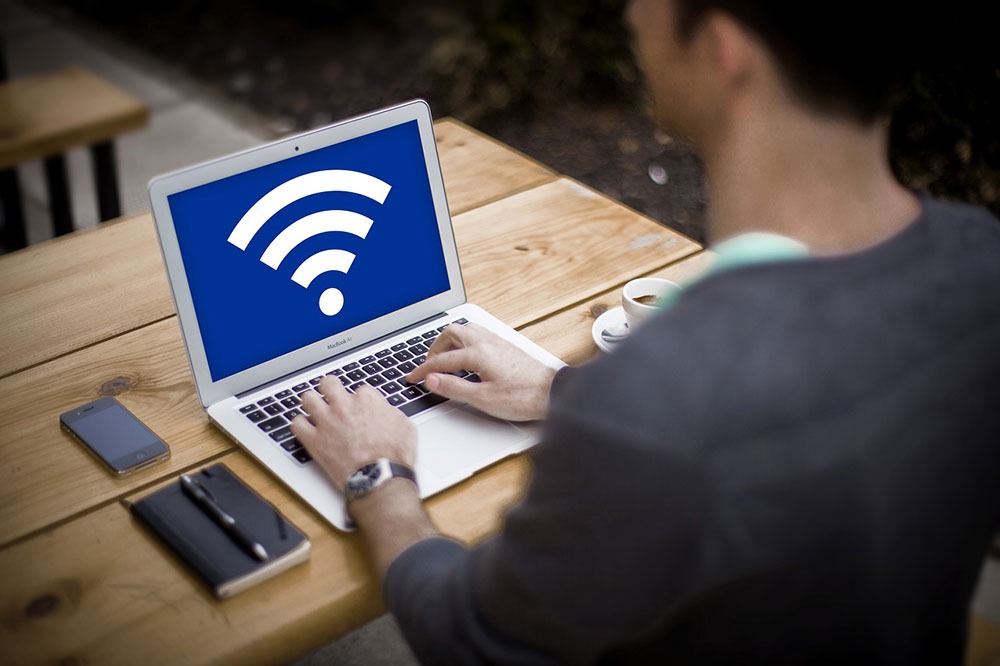
You probably expected to see public Wi-Fi first on the list of threats you are exposed to as a traveler, because everyone has been talking about how dangerous it is for digital security over the last couple of years. Public Wi-Fi is the obvious villain of this story, and you can meet it everywhere when traveling, from the airport to the hotel, and that cute café near the Eiffel Tower. That innocent little “Free Internet” button has caused more digital heartbreak than missed connections ever could.
Public Wi-Fi networks are often unsecured, allowing hackers to intercept data sent between your device and the network. Logins, emails, credit card details, all fair game. Some attackers even create fake networks named “Airport_Free_WiFi,” just waiting for someone tired and distracted enough to click. And you are more likely to get distracted when traveling. Protection from public Wi-Fi doesn’t mean to avoid it completely because it’s an unrealistic scenario, but to be selective, avoid sensitive logins, and add an extra layer of protection on your devices.
Phishing Attacks That Get Smarter When You Travel
You didn’t stop being a target for phishing attacks once you left the office to start your holiday. Travelers are among the prime targets because they are juggling confirmations, bookings, airline apps, and hotel emails. Cybercriminals are aware, so they exploit everything beautifully. A fake “flight delay” email. A “problem with your booking.” A “verify your account” message that looks just real enough. When you’re on the move, you’re more likely to click quickly and think later. Phishing stopped being a sloppy technique a couple of years ago; now it’s a personalized, polished, and frighteningly convincing technique. The only way to ensure you don’t become a victim is to slow down and question the urgency of the message. You can always double-check the urgency by calling or emailing the number/email address provided via an official form.
Lost or Stolen Devices: A Nightmare With a Passport
Losing your phone or laptop at home is annoying, but losing it abroad will quickly become an existential crisis. These devices often hold access to your banking app, email, social account, cloud storage, and work system. You don’t want a stranger to get hold of it. If you don’t secure it properly, a stolen phone will become the master key that cybercriminals need to access your digital life. Strong device locks, biometric security, remote-wipe features, and minimized password storage are non-negotiable when traveling. Because sometimes the biggest cyber threat is gravity and a slippery café table.
Weak Passwords Multiply the Risk While Traveling
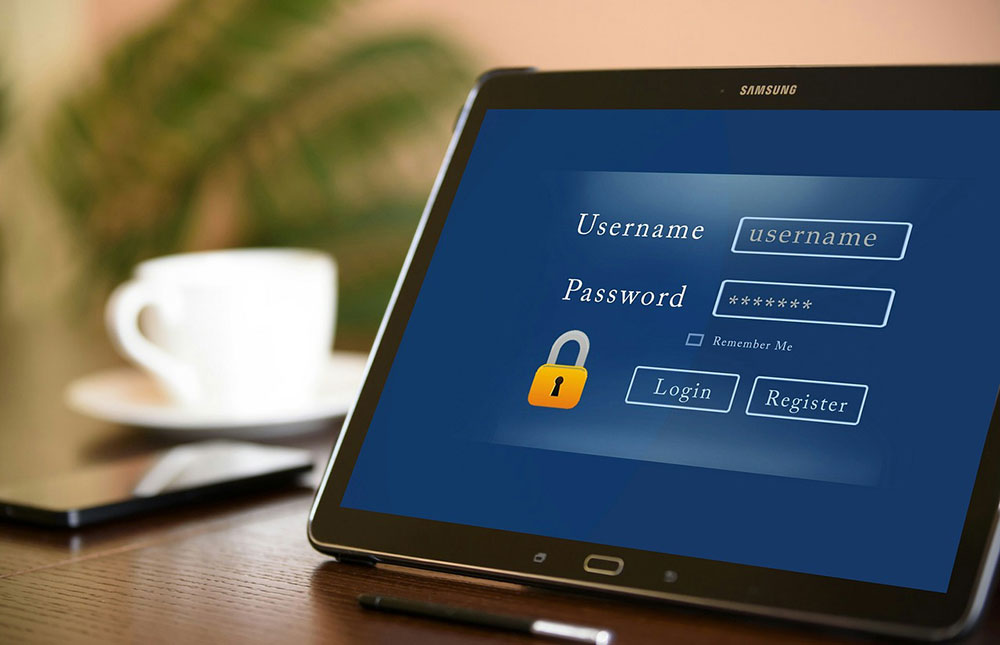
Here is where things really get messy. Does it surprise you? It’s widely known that people reuse their passwords across multiple accounts, so if they experience a compromised login, they will immediately face a domino effect. During travel, the frequency of logins increases – airline portals, hotel apps, ride services, foreign banking access – and each login becomes an opportunity for exposure. The best way to protect yourself is to use a password manager, which has become the unsung hero of safe travel these days. A password manager isn’t a flashy purchase, but a powerful tool you can use to store and encrypt your passwords, create strong, unique credentials for each account, and eliminate the need to remember and reuse your combinations. While travelling, using a password manager matters a lot because, let’s say, one of your accounts gets compromised, the damage ends there; there is no chain reaction, and you don’t have to deal with an “everything is on fire” moment. Most password managers include breach alerts, secure notes for your passport and insurance details, and cross-device syncing.
Two-Factor Authentication: Mildly Annoying, Extremely Effective
Yes, it will make accessing your accounts slightly more difficult, but it is worth your time because it can make it almost impossible for hackers to breach your account. Two-factor authentication (2FA) ensures that even if someone gets your password, they still can’t access your account without a second verification. For travelers, this extra layer is priceless. Just make sure your authentication method works internationally and isn’t tied to a single device, you might lose it.
Social Media Oversharing: Broadcasting Your Absence
Posting glimpses of your trip feels harmless until someone with malicious intent realizes you’re far from home, connects the dots, and finds a way to exploit it, either digitally or physically. Oversharing can make you a phishing target because when hackers know your location, they can craft an eerily accurate scam. It’s best to post less when you’re away and more when you get back home.
Final Thoughts: Travel Smart, Not Fearful
Cyber threats don’t mean you should travel less or live in fear. They mean you should travel prepared. The goal isn’t paranoia, it’s awareness. Use a password manager. Be cautious with public Wi-Fi. Question urgent messages. Secure your devices. Share wisely. These habits don’t ruin travel; they protect it. Because the best souvenirs are memories, not compromised accounts.